
 EN
EN
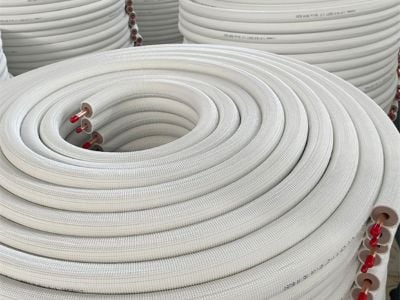
Moisture can be a big problem for HVAC refrigerant lines. When moisture gets into these lines, it can cause serious issues, like freezing components or damaging the system. This is why it’s important to know how to keep it out. Our company, DABUND PIPE, specializes in solutions that help prevent moisture ingress in hvac line set systems. By taking a few simple steps, you can protect your HVAC system from moisture and keep it running smoothly for a long time.
How to Identify Moisture Ingress Risks in HVAC Refrigerant Lines?
To stop moisture from getting into HVAC refrigerant lines, you first need to know where the risks are. One common place moisture can enter is through leaks in the system. If you see any signs of leaks, such as puddles or ice forming, it’s a big red flag. You should also check the seals and insulation of the refrigerant lines. If they are cracked or worn, that’s another way moisture can sneak in. Another risk area is the connections where different parts of the system meet. Sometimes, these connections can loosen over time, allowing moisture to enter. It’s not just about looking for obvious problems; you should also listen for strange sounds. If you hear hissing or bubbling, that might mean there’s a leak somewhere. Regular inspections are key. Make a schedule to check your hvac refrigerant line system at least twice a year. This way, you can catch any problems before they become serious. Keeping an eye on the environment where the HVAC system is located is also important. For example, if it’s in a basement or crawl space, humidity levels can be higher. Consider using a dehumidifier in such areas to help manage moisture. The goal is to be proactive. The sooner you identify risks, the easier it is to prevent moisture ingress. Regular checks can save a lot of money in repairs down the road.
What Wholesale Buyers Need to Know About Moisture Prevention in HVAC Systems?
If you are a wholesale buyer, knowing how to prevent moisture in HVAC systems is crucial. When buying HVAC parts, look for quality materials that resist moisture. Copper or aluminum pipes tend to be more reliable than plastic ones because they don’t absorb moisture. It’s also smart to choose insulated parts. Insulation helps keep the temperature steady, which reduces the risk of condensation forming. Additionally, when selecting components, ensure they come with good seals. Seals are like the armor of your HVAC system. They protect against moisture getting in. You should also ask questions about the manufacturing process. Parts that are made with care and precision will perform better. Another aspect to consider is the delivery of HVAC products. Make sure they are stored properly during transit. If they get wet or exposed to high humidity, that can compromise their quality. After purchasing, it’s important to educate your customers about moisture prevention as well. Share tips like keeping systems clean and encouraging regular maintenance checks. The more knowledge they have, the better they can protect their systems from moisture. Remember, preventing moisture ingress is not just about the parts; it’s also about the whole system working together. At DABUND PIPE, we focus on providing the best materials and support to ensure your line set hvac systems stay moisture-free.
Where to Find Reliable Suppliers for Moisture-Resistant HVAC Components?
When looking for parts to keep your HVAC system in good shape, it’s important to find the right suppliers. DABUND PIPE is a great place to start. They offer many products that are made to resist moisture. Moisture can cause big problems in HVAC systems. It can lead to rust, mold, and bad smells. So, getting parts that won’t let moisture in is very important. You can find DABUND PIPE online. Their website has a lot of information about their products. You can see pictures and read descriptions to help you choose the right parts for your HVAC system.
Another good way to find reliable suppliers is to ask for recommendations. Talk to friends, family, or professionals in the HVAC field. They may know good places to buy moisture-resistant parts. Online reviews can also help. Look for suppliers with high ratings and positive comments from customers. This way, you can be more sure that you are buying from a trustworthy source.
It’s also helpful to visit local hardware stores or HVAC supply shops. Sometimes, you can talk to a salesperson who knows a lot and can help you pick the right parts. Plus, you can see the products in person before buying them. This can help you feel confident in your choice. Remember, choosing the right suppliers is the first step to keeping your HVAC system safe from moisture.
How to Effectively Seal HVAC Refrigerant Lines Against Moisture Intrusion?
Sealing HVAC refrigerant lines is very important to keep moisture out. Moisture can sneak in and cause big problems for your system. To start, you need to make sure the lines are clean. Use a cloth to wipe them down and remove any dirt or dust. This helps the seal stick better. Next, you can use a special tape or sealant that is made for HVAC systems. DABUND PIPE offers great sealing solutions that are made to keep moisture out.
When applying the tape, make sure to wrap it tightly around the lines. Start at one end and work your way to the other. Overlap the tape a little bit to make sure there are no gaps. These gaps can let moisture in, and we don’t want that! If you are using a sealant, apply it evenly along the lines. This will create a strong barrier against moisture.
After sealing, it’s a good idea to check the lines regularly. Look for any signs of wear or damage. If you see anything that doesn’t look right, fix it right away. Regular checks can help catch problems before they get bigger. Remember, keeping moisture out of your HVAC refrigerant lines is key to making your system work well for a long time.
How to Educate Your Team on Preventing Moisture Issues in HVAC Installations?
Teaching your team about moisture issues in HVAC installations is very important. When everyone understands how to prevent moisture problems, the whole system works better. Start by holding a meeting where you can talk about why moisture is bad for HVAC systems. Explain how moisture can cause rust and mold, which can make the air in homes unhealthy. Use simple words and examples to make it easy for everyone to understand.
Next, share some tips with your team on how to keep moisture out. Talk about sealing refrigerant lines carefully and using the right materials, like those from DABUND PIPE. Show them how to check for leaks and signs of moisture. Hands-on training can be very helpful. Take your team to a work site and show them how to seal lines and check for issues. Let them practice so they can learn by doing.
Also, encourage your team to ask questions. If they don’t understand something, they should feel comfortable speaking up. Create a friendly environment where everyone can share ideas and tips about moisture prevention. This way, everyone can learn from each other. Lastly, consider having regular refreshers or reminders about moisture prevention. This will help keep the information fresh in everyone’s mind and ensure that your HVAC installations are always done right.
Table of Contents
- How to Identify Moisture Ingress Risks in HVAC Refrigerant Lines?
- What Wholesale Buyers Need to Know About Moisture Prevention in HVAC Systems?
- Where to Find Reliable Suppliers for Moisture-Resistant HVAC Components?
- How to Effectively Seal HVAC Refrigerant Lines Against Moisture Intrusion?
- How to Educate Your Team on Preventing Moisture Issues in HVAC Installations?