
 EN
EN
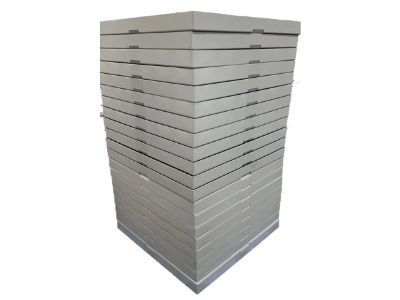
When setting up a large air conditioner, it is super important to have a strong and stable foundation pad. This pad supports the heavy air conditioning unit and keeps it in place. If the ground under the pad is not stable, the air conditioner can sink or wobble. This can lead to problems in how well it works. So, understanding what makes the ground stable is very crucial. At DABUND PIPE, we know all about this and want to help you make sure your air conditioner has a safe place to stand
What Are the Essential Ground Stability Requirements for Large Air Conditioner Foundation Pads
To make a solid foundation for a big air conditioner, the ground needs to meet a few important requirements. First, the ground should be strong enough to hold the weight of the air conditioner without sinking or shifting. This means the soil should be compacted well. If the ground is too soft, it can cause the foundation to settle unevenly. That’s why people often dig down to find stable soil or use concrete to create a solid base. Second, proper drainage is really important. Water can make the soil weak, so the foundation pad needs to have a way to let water drain away. If water collects around the pad, it can cause the ground to become unstable. Third, the foundation Condenser Pad should be wide enough to distribute the weight of the air conditioner evenly across the ground. This helps prevent any one area from becoming too stressed, which can lead to cracks or shifting. Lastly, using quality materials is essential. The concrete mix should be strong and durable to last for many years. Choosing the right size and thickness for the pad is also key. DABUND PIPE provides high-quality materials to help you create a strong and reliable foundation for your air conditioner
What Factors Influence Ground Stability for Air Conditioner Foundation Pads
Several factors can affect how stable the ground is for the foundation of an air conditioner. One big factor is the type of soil. For example, clay soil holds water and can become very soft when wet. This makes it less stable. Sandy soil, on the other hand, drains well but may not hold weight as effectively. Knowing the soil type helps in choosing the right foundation design. Another important factor is the weather. Heavy rains can wash away soil, making it less stable. Cold weather can freeze the ground, causing it to shift. It’s important to think about these conditions when planning the foundation. The location of the air conditioner and air conditioner copper pipe insulation can also matter. If it’s near trees, roots can grow and move the soil. It might be a good idea to keep the pad away from large plants. Finally, how the air conditioner is used can influence stability. If the unit runs all the time, it may cause vibrations that can shift the ground over time. DABUND PIPE is dedicated to helping you understand these factors so you can make the best choice for your air conditioner’s foundation. By considering all of these aspects, you can create a safe and sturdy foundation that keeps your air conditioning unit running well for a long time
What Are the Best Practices for Maintaining Ground Stability Under Large Air Conditioners
To keep a large air conditioner working well, it is important to have a strong and stable foundation. This means the ground under the air conditioner must be solid and not too soft or loose. One good practice is to use concrete for the foundation pad. Concrete is very strong and can hold the weight of the air conditioner without sinking. Before building the pad, it is smart to check the ground. If the ground is soft, you may need to add gravel or compact the soil to make it stronger. Another best practice is to keep water away from the foundation. Water can make the ground weak, which can cause the air conditioner to sink or tilt. You can do this by creating a slight slope around the foundation pad and air conditioner copper pipe. This way, rainwater will flow away instead of pooling up near the air conditioner. It is also a good idea to install drainage pipes if you live in a place where there is a lot of rain. These pipes will help move water away from the area quickly. Regular checks are important too! You should look at the foundation pad and the ground around it at least once a year. If you see any cracks or if the ground looks uneven, it is time to fix it. You can fill in cracks with concrete mix or add more dirt to areas that have sunk. Keeping the area clean and free from debris can also help maintain ground stability. DABUND PIPE recommends that you keep the space around the air conditioner tidy so that nothing is blocking the drainage. Following these best practices will help ensure that your large air conditioner works well for many years
How Ground Stability Affects the Longevity of Air Conditioner Foundation Pads
Ground stability is very important for the long life of air conditioner foundation pads. When the ground is stable, the foundation pad can support the air conditioner without any problems. If the ground is weak, it can lead to many issues. For example, if the ground shifts or settles, it can cause the foundation pad to crack. Cracks can allow water to seep in, which can damage the air conditioner and lead to costly repairs. If the foundation pad is not stable, the air conditioner may not work as efficiently. This can cause it to use more energy, which means higher electricity bills. Over time, this can also lead to more wear and tear on the machine, making it break down sooner than it should. A strong foundation pad, supported by stable ground, helps keep the air conditioner running smoothly and efficiently for longer periods. DABUND PIPE understands that a solid foundation is key to a long-lasting air conditioning system. A good foundation prevents problems like rust and corrosion, which can happen when water collects around the unit. Additionally, when the air conditioner sits level, it can operate more quietly and effectively. This means it can keep your home cool without making too much noise. The longer your air conditioner runs well, the more comfortable your home will feel. Therefore, ensuring ground stability is not just important for the foundation pad; it is crucial for your entire air conditioning system's health and longevity
Common Misconceptions About Ground Stability Requirements for Air Conditioner Foundations
Many people have misunderstandings about what is needed for ground stability under air conditioners. One common misconception is that any type of ground is okay for placing a foundation pad. Some think that as long as the pad is made of concrete, it will work fine. However, if the ground underneath is not stable, even the strongest concrete pad can fail. It is vital to have a strong base before adding any materials on top. Another misconception is that it is okay to ignore the ground conditions after the air conditioner is installed. Some people believe that as long as the air conditioner is working fine at first, they do not need to worry about the ground anymore. This is not true! Over time, the ground can shift, settle, or erode, affecting the stability of the foundation pad. Regular inspections are necessary to catch any problems early on. People also often think that ground stability is only important in areas with extreme weather, like heavy rains or floods. In reality, ground stability is essential in all locations. Even in places with mild weather, soil conditions can change due to natural causes or human activities. DABUND PIPE wants everyone to understand that ground stability is a key factor in air conditioning installation. By being aware of these misconceptions, you can make better choices for a strong and stable foundation. This will help you avoid expensive repairs and keep your air conditioning system working well for many years.
Table of Contents
- What Are the Essential Ground Stability Requirements for Large Air Conditioner Foundation Pads
- What Factors Influence Ground Stability for Air Conditioner Foundation Pads
- What Are the Best Practices for Maintaining Ground Stability Under Large Air Conditioners
- How Ground Stability Affects the Longevity of Air Conditioner Foundation Pads
- Common Misconceptions About Ground Stability Requirements for Air Conditioner Foundations